Original Source
US-Iran Discuss Truce Extension Amid Stalled Peace Talks
Truce Extension Discussions and Obstacles
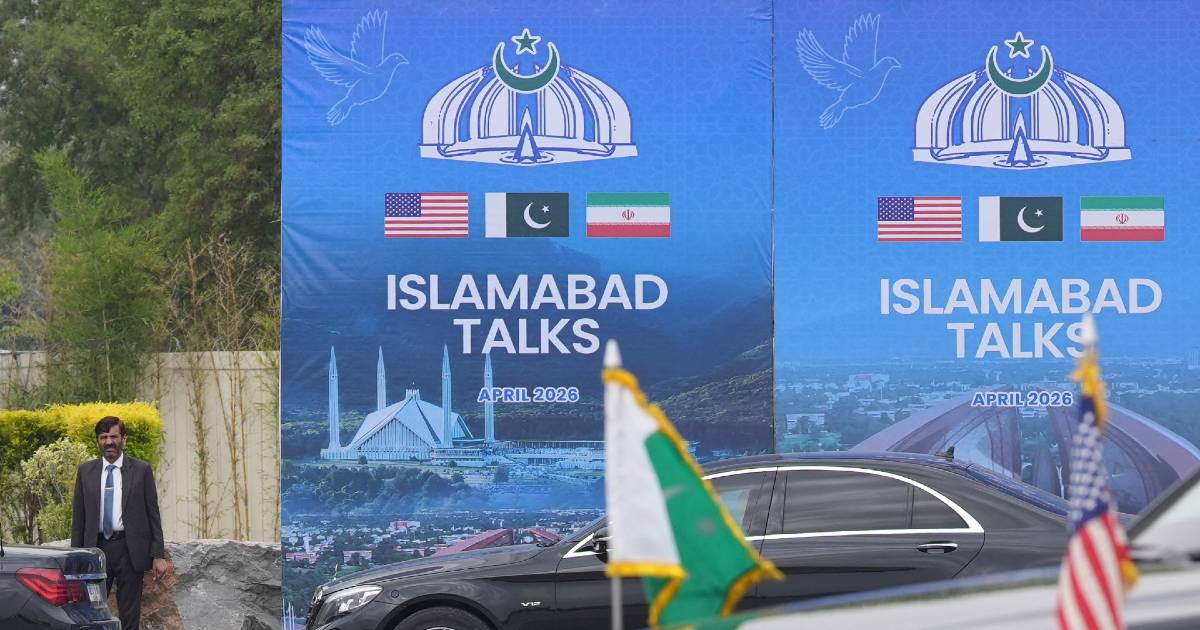
As the two-week truce between the United States and Iran approaches its deadline, the question of ending the war has become a central point of contention. Although talks in Pakistan failed to achieve a peace agreement, both sides are reportedly considering a further two-week extension of the truce to allow more time for negotiations. The current ceasefire has largely held since its implementation on April 8. However, numerous factors continue to hinder a sustainable peace agreement, posing significant challenges to a long-term resolution.
Strait of Hormuz Navigation and Nuclear Program
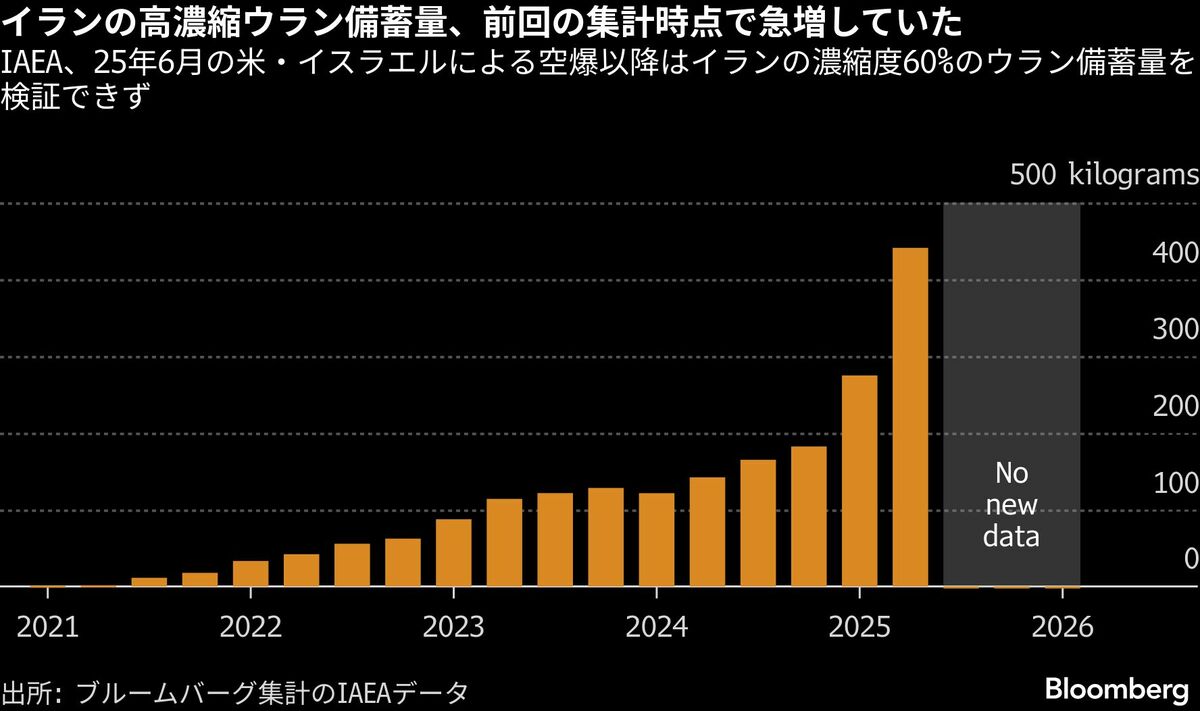
Following the outbreak of war, Iran restricted access to the Strait of Hormuz, through which approximately one-fifth of the world's oil and liquefied natural gas (LNG) supplies pass, causing a surge in energy prices. Even after the truce, navigation through the Strait remains heavily restricted. After the breakdown of talks in Pakistan, the U.S. implemented a blockade on vessels calling at or heading to Iranian ports. This aims to curb Iran's oil exports and pressure it to open the Strait freely to all ships. However, this strategy risks backfiring by further reducing already low traffic and could prompt Iran to retaliate by disrupting shipping routes in the Red Sea. Furthermore, President Donald Trump cited Iran's refusal to abandon its nuclear program as a key reason for the failure of the Pakistan talks. The U.S. demands the complete dismantling of Iran's nuclear capabilities, excluding the Bushehr civilian nuclear plant, and also calls for a halt to uranium enrichment and the removal of highly enriched uranium from the country.
*Source: TBS NEWS DIG (2026-04-17)*