Original Source
China's 'Trade-in' Policy Drives GDP Beyond 140 Trillion Yuan in 2025
Chinese Economy Accelerates High-Quality Growth
China's economy is estimated to have grown by approximately 5% in 2025, with its total GDP surpassing 140 trillion yuan for the first time ever. This represents an encouraging achievement at a time when many countries are facing difficulties. China is transitioning from high-speed growth to high-quality, innovation-driven development, with stimulating domestic demand and revitalizing consumption as key drivers. To achieve this, the Chinese government launched its 'Yi Jiu Huan Xin' (以舊換新, 'trade-in' or 'exchange the old for the new') program starting in 2024.
Successful Outcomes of the 'Trade-in' Policy
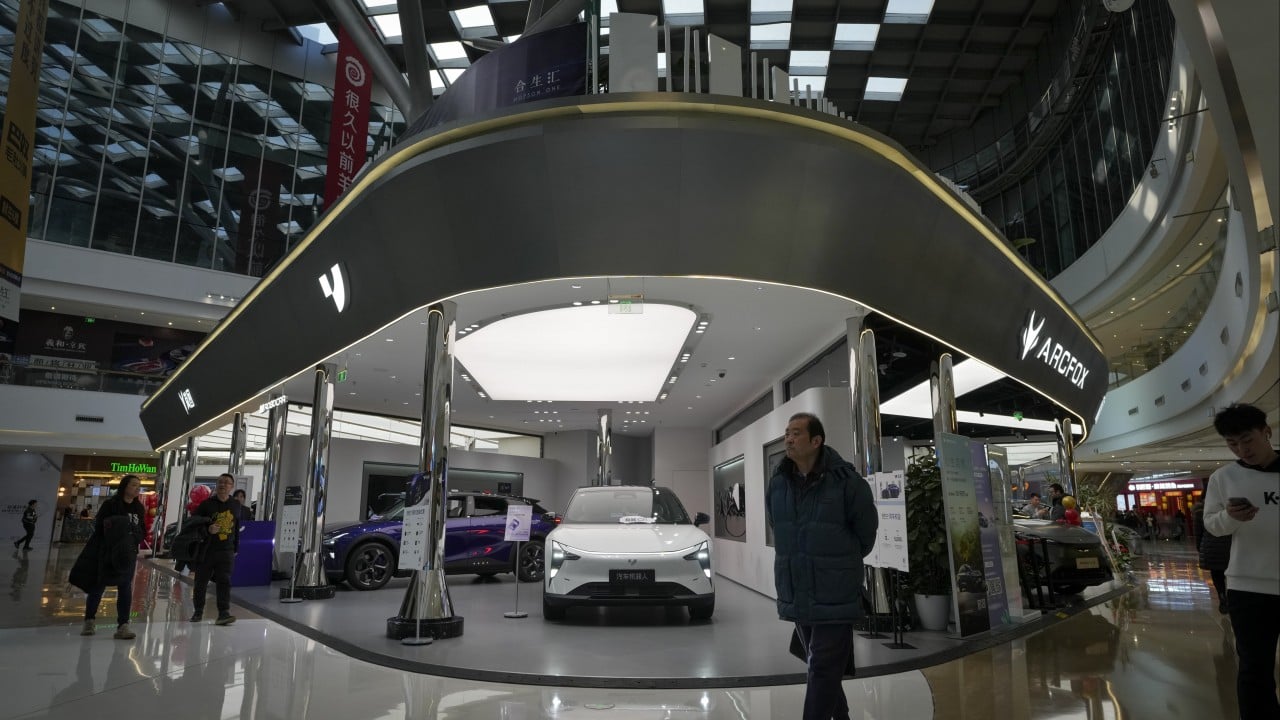
The 'Yi Jiu Huan Xin' program achieved total sales of 3.92 trillion yuan in 2024 and 2025, providing 494 million consumer benefits. Through government subsidies, consumers were able to replace old household appliances such as cars, washing machines, air conditioners, and televisions with new, energy-efficient models. Consumers' preference for Grade 1 energy-efficient products has particularly encouraged manufacturers to actively produce Grade 1 energy-efficient appliances. This has spurred the green transformation and innovation of production lines.
Promoting Eco-Friendly Consumption and a Circular Economy
The 'Yi Jiu Huan Xin' policy goes beyond merely increasing consumption; it promotes eco-friendly consumption and addresses the issue of discarded products. In the past, discarded appliances were often dismantled through informal channels, leading to refrigerant leakage and plastic incineration pollution. Now, however, materials recovered through formal recycling channels are reintegrated into the manufacturing process, creating a green circular economy. In the first 10 months of 2025, vehicle trade-in applications exceeded 10 million, with new energy vehicles accounting for 57.2% of these. In 2025, China's total retail sales of consumer goods surpassed 50 trillion yuan for the first time, and consumption contributed 52% to overall economic growth, solidifying its position as a core driver of China's economic development.
*Source: YouTube: CGTN (2026-03-11)*